
Top B2B Buyer Trends From Alibaba.com's 2024 March Expo
alizila
March 29, 20242 MIN READ
Buying From Temu: Everything You Need to Know
Alibaba.com
APRIL 25, 20248 MIN READ
17 Wholesale Marketplaces for Selling Your Products
Alibaba.com
APRIL 25, 202412 MIN READ
Reseller vs Dropshipping: Choose Wholesale Suppliers for Small Business
Alibaba.com
APRIL 25, 202412 MIN READ
Nonprofit vs. Not-for-Profit vs. For-Profit: Definition and Difference
Alibaba.com
APRIL 25, 20243 MIN READ
How to Make Money on Instagram: Everything You Need to Know
Alibaba.com
APRIL 23, 202410 MIN READ
How to Choose the Right Wholesale Dropshipping Suppliers?
Alibaba.com
APRIL 23, 20245 MIN READ
The Cheapest Ways to Ship Packages: Get the Cheapest Shipping Rates
Alibaba.com
APRIL 23, 20246 MIN READ
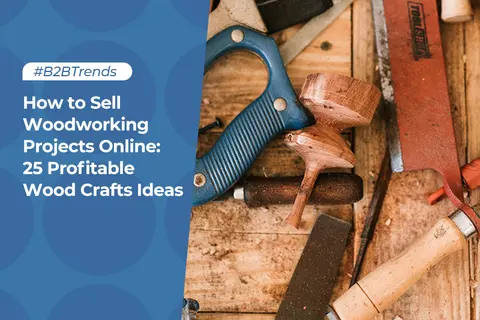
How to Sell Woodworking Projects Online: 25 Profitable Wood Crafts Ideas
Alibaba.com
APRIL 19, 20249 MIN READ
Abandoned Cart Emails Lead to Conversions: 8 Practical Tips
Alibaba.com
APRIL 19, 20244 MIN READ
How to Sell Stock Photos Online?
Alibaba.com
APRIL 19, 20246 MIN READ
Beginner Guide for YouTube Shorts Monetization 2024
Alibaba.com
APRIL 18, 20245 MIN READ
50 Online Store Name Suggestions for Your Business
Alibaba.com
APRIL 18, 202411 MIN READ







 Most popular
 Most popular
20 online business ideas for e-commerce beginners in 2022
DECEMBER 26, 202110 MIN READUnderstanding the crossover between B2B trade and the metaverse
APRIL 06, 20225 MIN READHow much does it cost to ship furniture?
APRIL 25, 202210 MIN READHow to ship perishable food: essential steps and useful tips
APRIL 28, 202210 MIN READHow to find cheap wholesale products to resell: the ultimate guide
MAY 17, 202110 MIN READ10 best selling online products in Pakistan
FEBRUARY 27, 202210 MIN READHow to safely buy and sell on Alibaba.com
MAY 26, 202215 MIN READA guide to payment methods in international trade
FEBRUARY 02, 202116 MIN READ
 Editor’s picks
Alibaba.com digital B2B Outlook 2022: A recap
MARCH 29, 202210 MIN READCIF vs. FOB: What's the difference?
SEPTEMBER 16, 20216 MIN READ12 import-export business ideas to start in India
DECEMBER 28, 20209 MIN READB2B eCommerce 101: manufacturers vs. distributors vs. wholesalers
JULY 20, 202216 MIN READDelivered Duty Paid (DDP)
OCTOBER 07, 20204 MIN READExport from Pakistan: a guide for Pakistan SME Exporters
DECEMBER 02, 202015 MIN READDifferences between domestic and international trade
OCTOBER 18, 20207 MIN READ
Can't find articles of your interest?Tell us what you need


